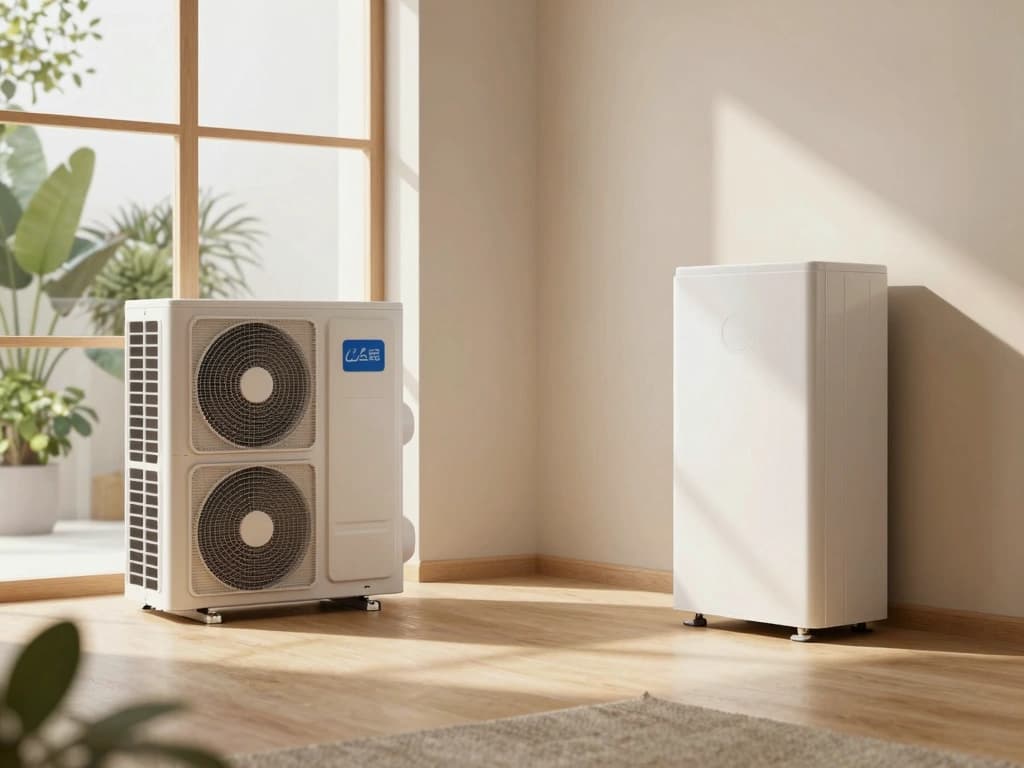
Initial Installation Costs: Heat Pumps vs Furnaces
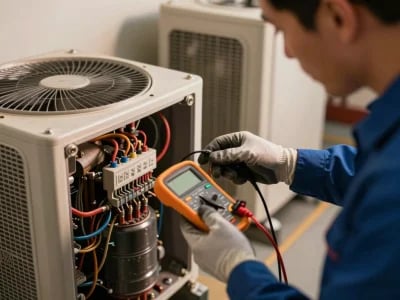
Average Cost of Heat Pump Installation
When considering the initial installation costs of a heat pump, homeowners can expect to pay between $3,500 and $8,000, depending on various factors such as the size of the unit, the complexity of the installation, and the region. For instance, a ducted heat pump typically costs more than a ductless mini-split system. The average installation costs can include labor, equipment, and any necessary additional components, such as ductwork modifications.
Average Cost of Furnace Installation
In comparison, the installation cost for a furnace generally ranges from $2,500 to $6,000. The price can vary based on the type of furnace—gas, electric, or oil—and the size required for the home. Gas furnaces are usually the most cost-effective in terms of installation, while electric furnaces tend to be on the lower end of the price range. Moreover, installation costs can be influenced by local labor rates and the existing infrastructure.
Factors Influencing Installation Costs
- Type of System: The choice between a heat pump and a furnace will significantly affect the total installation costs.
- Size and Capacity: Proper sizing is crucial; an undersized or oversized unit can lead to inefficiencies and higher costs.
- Existing Infrastructure: Homes with existing ductwork may incur lower costs for heat pumps, while homes without ducts may require additional investments.
- Labor Costs: Variations in local labor rates can lead to significant differences in installation prices.
Operating Costs Over Time: Energy Efficiency Analysis
Energy Consumption of Heat Pumps
Heat pumps are known for their energy efficiency. They operate by transferring heat rather than generating it, which means they can provide up to 3 to 4 times the amount of energy they consume. A typical heat pump may use about 1,500 kWh per year, leading to an annual operating cost of approximately $150 to $200, depending on local electricity rates.
Energy Consumption of Furnaces
On the other hand, furnaces consume more energy as they burn fuel to produce heat. A gas furnace, for instance, may use around 100 therms of gas annually, translating to an operating cost of about $800 to $1,200 per year, depending on fuel prices and the efficiency of the unit. Electric furnaces can be even more expensive to operate, with costs that could reach upwards of $1,500 per year.
Comparative Efficiency Ratings
Efficiency is measured using the Annual Fuel Utilization Efficiency (AFUE) for furnaces and the Heating Season Performance Factor (HSPF) for heat pumps. Most modern heat pumps have an HSPF rating between 8 and 12, while high-efficiency gas furnaces typically have an AFUE rating above 90%. This means that while heat pumps offer superior efficiency in milder climates, furnaces may still be more cost-effective in extremely cold areas.
Maintenance and Repair Expenses: Long-Term Considerations
Typical Maintenance Costs for Heat Pumps
The maintenance costs for heat pumps are generally lower than those for furnaces. Annual maintenance checks can cost around $150 to $300, which typically includes cleaning the coils, checking refrigerant levels, and ensuring the ductwork is free of leaks. Over time, homeowners may also need to replace air filters, which can add an additional $50 to $100 per year.
Typical Maintenance Costs for Furnaces
Furnaces typically require more frequent maintenance, especially if they are gas models. Annual service checks can range from $100 to $200, and homeowners may need to invest in repairs more regularly due to wear and tear. Additionally, furnace filters should be changed every 1 to 3 months, adding another $50 to $100 annually to maintenance costs.
Common Repair Issues and Their Costs
- Heat Pumps: Repairs can include replacing the compressor, which can cost between $1,500 and $2,500, or fixing refrigerant leaks, which might range from $200 to $800.
- Furnaces: Common repairs include fixing ignition issues or replacing the blower motor, with costs ranging from $200 to $1,200.
Longevity and Lifespan: Evaluating Durability
Average Lifespan of Heat Pumps
Heat pumps typically have a lifespan of 15 to 20 years with proper maintenance. Factors such as climate, usage, and installation quality can impact longevity. In milder climates, heat pumps may perform efficiently for their entire lifespan, while in colder regions, they may experience more wear and tear, leading to a shorter lifespan.
Average Lifespan of Furnaces
Furnaces generally last longer, with an average lifespan of 20 to 30 years. High-quality models, particularly gas furnaces, can exceed this range if maintained properly. However, the lifespan can also depend heavily on the type of fuel used and the quality of the installation.
Factors Affecting Lifespan
- Quality of Installation: Poor installation can lead to premature failure in both systems.
- Regular Maintenance: Consistent upkeep can significantly extend the life of both heat pumps and furnaces.
- Environmental Conditions: Extreme temperatures and humidity can affect the efficiency and longevity of heat pumps.
Incentives and Rebates: Financial Support Options
Government Incentives for Heat Pumps
Many governments offer incentives for homeowners who install heat pumps, recognizing their energy efficiency and lower environmental impact. For instance, federal tax credits in the U.S. can cover up to 26% of the installation cost, with additional state and local rebates available that can further reduce costs.
Government Incentives for Furnaces
While incentives for furnaces are less common, some energy efficiency programs may provide rebates for high-efficiency models. Homeowners can expect rebates ranging from $100 to $500 for upgrading to a furnace with an AFUE rating above 90%.
How Incentives Impact Total Cost of Ownership
Incorporating incentives can significantly alter the total cost of ownership for both systems. For a heat pump installation costing $6,000, a tax credit of 26% could reduce the upfront cost to $4,440. In contrast, a high-efficiency furnace costing $4,000 could see a rebate of $200, bringing the total to $3,800. These financial incentives play a crucial role in making energy-efficient systems more accessible and appealing to homeowners.